
THE COMFORT ZONE
“What does it mean to hold space for someone else? It means walking alongside another person on their journey without judging, making them feel inadequate, trying to fix them, or influencing the outcome. When we hold space for others, we open our hearts, offer unconditional support, and let go of judgment and control.” - Heather Plett.
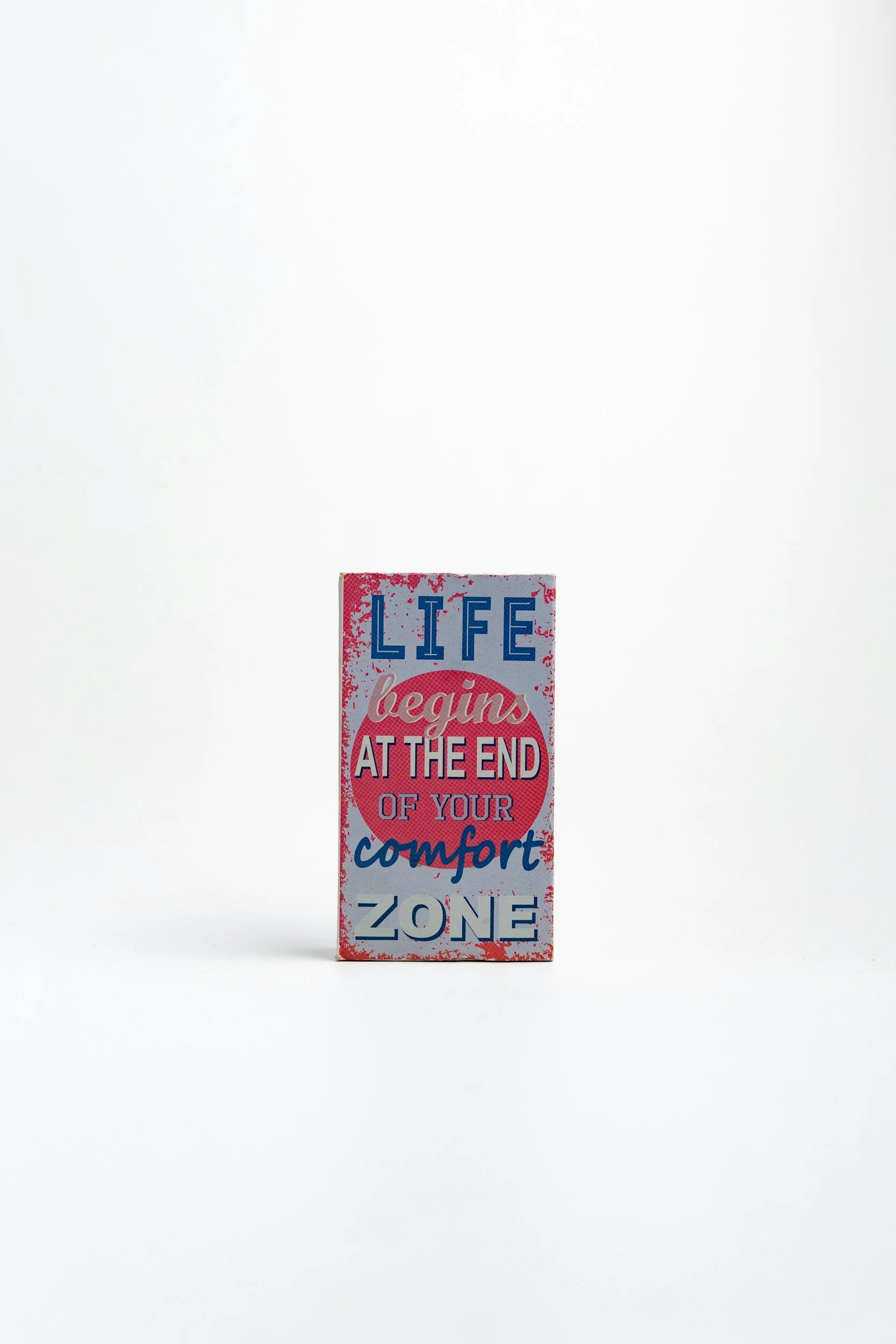
Image Source: Zhivko Minkov (Unsplash)
Last month, I attended Peer Support Specialist training in North Carolina to strengthen my skills supporting those with mental health or substance use issues. On the first day of training, we explored ways to help people in long-term recovery build comfort zones. This concept is the focus of this post.
The comfort zone (CZ) in recovery and daily life is an intentional space where everyone feels safe to interact without fear of conflict or judgment. This zone supports recovery and helps everyday gatherings with family, friends, or coworkers stay calm and respectful. At its core, the CZ lets people relax and be themselves while respecting boundaries. It also underpins holding space for others and meeting individual needs. Now, let’s see how to build this supportive container.
As an example from class, our instructor attached a blank Post-It easel pad sheet to the wall. Together, we added topics that might trigger emotions, forming a living list of subjects to avoid. This activity fostered a more supportive learning environment.
Throughout the training, we focused on two main goals: avoiding political or religious topics and encouraging positive practices such as 'holding space' and using healthy living tools. These approaches foster true, vulnerable learning. How can we effectively hold space for others?
My wellness journey has revealed key elements for holding space: hope, support, and trust.
· Hope: Recognize when another is where you once were. Share your experience to show growth. Offer a suggestion to inspire their first step.
· Support: Listen actively without judgment or trying to fix things. Encourage new actions for positive change.
· Trust: Create a space where group conversations stay confidential. Without trust, a genuine connection is impossible. Support others; don’t isolate them.
Having a comfort zone or safe container isn’t just for recovery groups; it enables civility in any situation. Even if worldviews differ, we can honor and hold space for one another—this is the beauty of human experience. You don’t need a wall list like in training; instead, advocate for yourself at the start of any group or individual conversation.
Simon and Garfunkel’s Bridge Over Troubled Water captures the idea of holding space—supporting others through challenges. Remember the impact you have by creating a safe, supportive environment. Until next time, continue to support those around you.
Namaste,
Tim
“Copyright Disclaimer Under Section 107 of the Copyright Act 1976, allowance is made for fair use for purposes such as criticism, comment, news reporting, teaching, scholarship, and research. Fair use is a use permitted by copyright statute that might otherwise be infringing. Non-profit, educational or personal use tips the balance in favor of fair use.”