
Origin Story: Moving Forward
Hardships often prepare ordinary people for an extraordinary destiny.” — C.S. Lewis.

Image Source: Sasun Bughdaryan (Unsplash)
This is the final installment of my mental health origin story. My hope is that all who have read what I shared can find inspiration to take that first courageous step towards their own healing journey. Asking for help is not a sign of weakness, but a way to quiet the stigma that is associated with mental health issues.
I dedicate this story in its entirety to my bride of almost 30 years - Judy.
Everyone Brings a History with Them to the Table
The coordinator for the ILFFPS Family program offered these sage words of advice: "You have to be very careful how you speak to each other (referring to 1st responders) because everyone brings a history with them before entering public service." For example, a firefighter may have come from an abusive/alcoholic family environment. Now they must respond to calls that remind them of this experience(s), and this firefighter reacts badly to said situation to the effect that they jumped down the throat of the abuser.
At this point, other witnesses may be thinking, "What the hell was that all about?" In the past, the mindset was to give them "space" to avoid asking, "Why did that call bother you so much?" ILFFPS seeks to educate others on how to start such important conversations. So, what was my significant history?
Earlier, I told you about a fear of the police, but my history is much more than that. I recently came to terms with the fact that I am an empath, someone who is ultra-sensitive to the energy (both positive and negative) in the world around me. Many times, I take on others' emotions (e.g., I can feel when someone is having a panic attack).
As a child, I knew I was sensitive but could never share this with anyone as I could not articulate these experiences. However, others could pick up on this- especially the bullies. I was an easy target from grade school through high school. Also, Mom and Dad did not get along well either, and some of their arguments would turn unpleasant (as seen through my eyes).
As a result, I developed this "always have to fight against the world attitude. In adulthood, this mentality reared its head during family dinners, arguments with customer service reps from whatever utility (cable company) I felt overcharged me on my latest bill, and so on.
What I want you to understand is that all the microtraumas I experienced from the day I arrived on the planet (there are way too many to include in this essay) contributed to how my brain handled the major stressor of a witnessed suicide- that just became my breaking point and trigger. For me, it was not just one thing that led to PTSD, but many.
Now, I carried this attitude with me to the fire service, and it was no wonder why others viewed me as (unapproachable, argumentative, and a tyrant). However, if someone just asked the all-important, "What's up?" instead of ostracizing me, I would have laid my history all out on the table.
The pearl of wisdom here is that we should try to learn more about others rather than make snap judgments based on what is seen on the surface. Seek to discover the underlying story and assist them in finding a licensed professional if their issues(s) are above what you can do for them as a friend. Embracing each other's humanity is one of the best ways to make this world a better place to live.
Never Leave Behind Those That Lift Us Up
One of my greatest regrets since entering public service is the turmoil my wife, Judy, endured for many years. I have always felt that she was left behind in my struggle with undiagnosed PTSD. Sure, she comforted me after my friend's suicide, but most of the time she stayed out of my way. A lesser person would have walked away, but she didn't – and for that I am eternally grateful. This leads to another pearl of wisdom garnered from my road to wellbeing.
Each occupation or walk in life comes with its own unique culture and stressors to which one will be subjected. We must educate our significant others and family members about the "world we work and live in". Illinois Firefighter Peer Support created a spousal/significant other workshop that provides information about "our world" and what to look for/do regarding significant personality changes in the responder. Attendees are also introduced to the services ILFFPS offers.
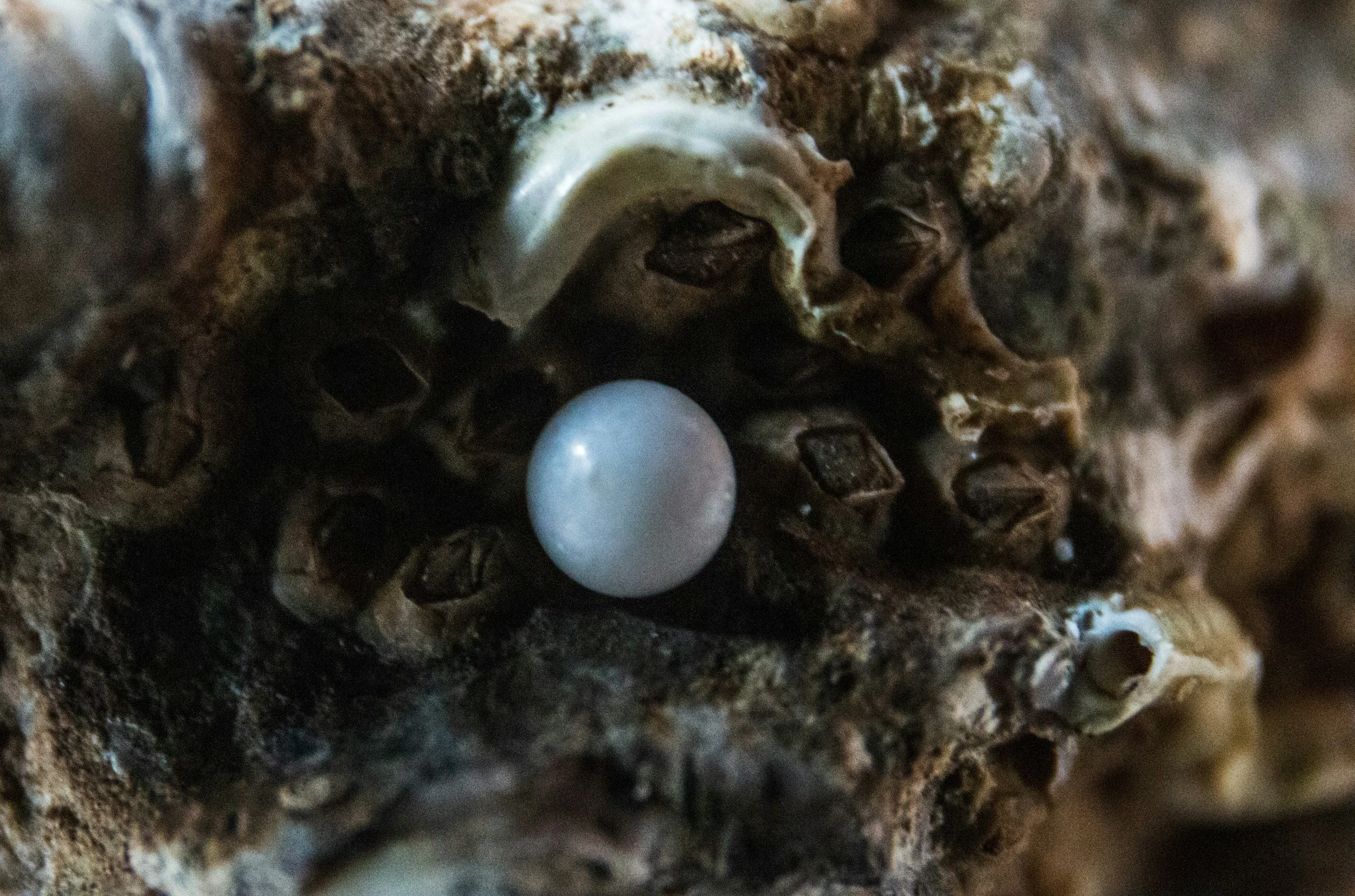
Image Source: Marin Tulard (Unsplash)
The takeaway point here is that a plan should be in place with the needed resources at hand (a network, if you will), long before things go south for the first responder. Another such program exists in Canada.
Dan Bowers (a retired OPP Detective) and a friend of mine developed the First Eyes® 8-hour workshop for the significant others and family members of first responders. By the end of the day, the SO/family will have a written plan in place (including resources and contact names and numbers for professionals) if their loved one is profoundly affected by their occupational exposures. I encourage first responders of all countries to contact Dan as a valuable resource to this degree. If you are not in the public service, it would not hurt to contact him anyway, as he may be able to offer ideas for starting a similar program in your occupation.
At the end of the day, it is our responsibility to never leave behind those that lift us.
Final Thoughts
It has been both an honor and a privilege to have shared the beginning of my lifelong journey towards a balanced life in mind, body, and spirit. Each of us brings their own unique set of circumstances to the table of life.
This anthology includes many stories of the trials and tribulations of the human experience (mine is just one of many), intended to serve as a beacon of light for those who still dwell in the shadows of mental health stigma. It is on the bent knee that I hope my story will assist a reader(s) in taking that first step forward. Be well and always remember –
"The echoes of the mind will never let you forget- but, in the face of adversity, always dare to take the high road." - Tim Grutzius.
“Copyright Disclaimer Under Section 107 of the Copyright Act 1976, allowance is made for fair use for purposes such as criticism, comment, news reporting, teaching, scholarship, and research. Fair use is a use permitted by copyright statute that might otherwise be infringing. Non-profit, educational or personal use tips the balance in favor of fair use.”